

Understanding Sperm Donation
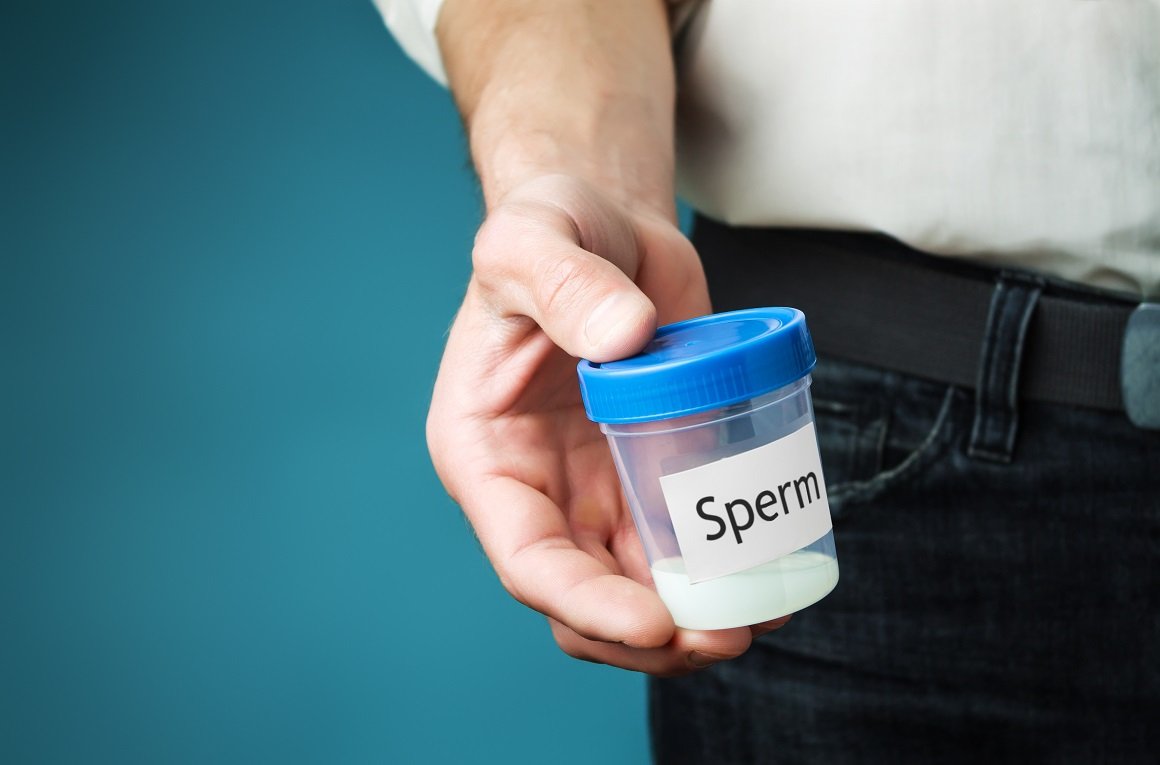
Sperm donation is an assisted reproduction method used when male fertility is compromised or when a woman or couple requires donor sperm for conception. Donor sperm undergoes extensive medical, infectious and genetic screening to ensure safety and improve the chances of pregnancy. Under the guidance of Dr. Parth Joshi, M.D. (Ob-Gyn, Gold Medalist), every sperm donation treatment plan is customized as per the specific needs of each couple or individual.
Who Can Benefit from Sperm Donation?
Sperm donation is helpful in the following conditions:
- Low sperm count, poor motility, or abnormal sperm morphology.
- Absence of sperm (azoospermia) or ejaculation problems.
- Hereditary or genetic disorders in the male partner.
- Women unable to conceive using partner’s sperm.
- Single women or same-sex female couples planning pregnancy.
- Couples with repeated IUI/IVF failures due to sperm-related issues.
The Sperm Donation Process
The donor sperm treatment includes:
- Donor Screening: Comprehensive medical, infectious and genetic testing.
- Consent & Counselling: Emotional, medical and legal counselling for recipients.
- Sample Collection: Donor sperm collected and processed under controlled lab conditions.
- Fertilization: Used for IUI or IVF/ICSI based on the treatment plan.
- Follow-Up: Monitoring throughout conception and early pregnancy.
- Helpful option when the husband is unable to provide a semen sample.
Understanding Egg Donation
Egg donation is an effective fertility option for women who cannot use their own eggs due to low ovarian reserve, age-related decline, premature ovarian failure, or genetic concerns. Eggs donated by healthy women undergo strict medical and genetic screening to ensure a safe and successful treatment process. With guidance from Dr. Parth Joshi, egg donation provides one of the highest chances of achieving pregnancy.
Who Can Benefit from Egg Donation?
Egg donation is suitable for:
- Women with diminished ovarian reserve or poor egg quality.
- Advanced maternal age (40+ years).
- Premature ovarian insufficiency or menopause.
- Genetic or hereditary disorders.
- Repeated IVF failures due to poor embryo quality.
- Women who have undergone ovary removal or chemotherapy.
The Egg Donation Process
The process typically includes:
- Donor Screening: Medical, genetic, psychological and infectious disease testing.
- Cycle Synchronization: Matching donor and recipient cycles for optimal timing.
- Ovarian Stimulation: Donor undergoes stimulation to produce multiple eggs.
- Egg Retrieval: Eggs collected safely under ultrasound guidance.
- Fertilization: Eggs fertilized using IVF or ICSI.
- Embryo Transfer: Healthy embryos transferred to the recipient’s uterus.
Why Choose Dr. Parth Joshi for Egg Donation
Thorough Medical & Genetic Screening of Donors
Advanced Lab & Embryology Expertise
Customized Treatment Protocols
Ethical, Transparent & Patient-Centric Approach
High Success Rates with Donor Egg IVF
Take the First Step
Whether you are considering sperm or egg donation, Dr. Parth Joshi offers personalized guidance, ethical care and advanced reproductive treatments to increase your chances of successful pregnancy.