


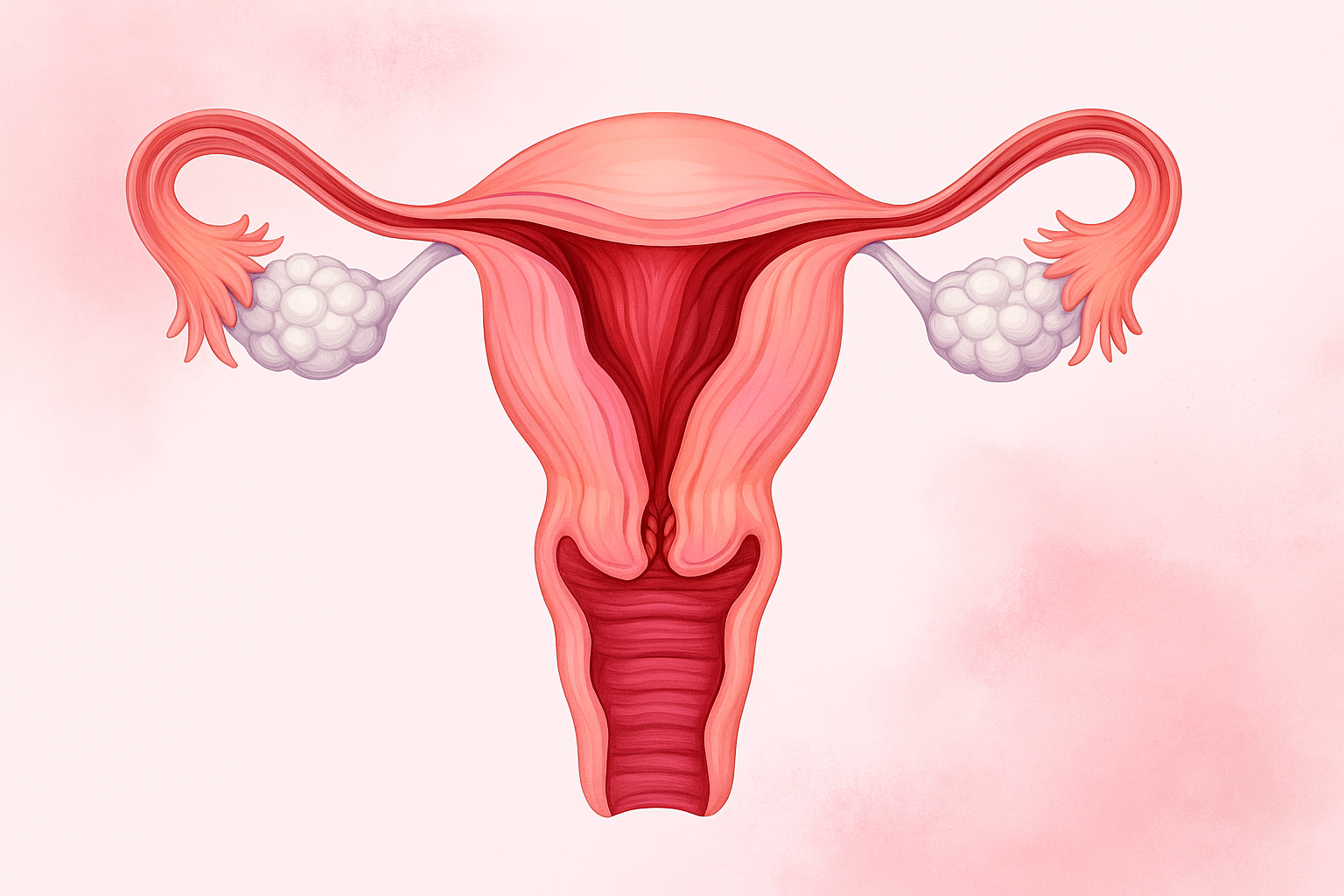
What is ERA?
In fertility treatment, ERA stands for Endometrial Receptivity Array (also called Endometrial Receptivity Analysis). It is a genetic test where a small sample of a woman's endometrial tissue is taken to assess whether the uterine lining is properly developed to accept an implanting embryo. ERA analyses gene expression in the lining to determine if the endometrium is pre-receptive, receptive, or post-receptive.
Why Is ERA Done?
ERA is performed to determine the patient's window of implantation (WOI) — the optimal time during a menstrual cycle when the endometrium is receptive to embryo implantation. Although clinicians usually monitor endometrial thickness and embryo quality, some patients experience repeated implantation failure despite having a good-looking embryo and adequate endometrial thickness. In such cases, ERA can identify if the WOI is shifted earlier or later than expected and help tailor timing for embryo transfer.
How Does the ERA Test Work?
ERA analyses the expression of a panel of genes (the test commonly evaluates expression of hundreds of genes) to find out whether the endometrium at the time of sampling is receptive. The procedure involves a minimally invasive endometrial biopsy — a small sample of the uterine lining is obtained and sent for molecular analysis (often using Next Generation Sequencing). Based on the gene-expression pattern, the test indicates whether the lining is receptive or not, and if not, whether it is pre- or post-receptive.
ERA Procedure (brief)
- The ERA schedule typically begins about 1–1.5 months before the planned frozen embryo transfer.
- Patient preparation often includes a cycle of oestrogen and progesterone similar to embryo transfer preparation.
- A small endometrial biopsy is taken (usually with minimal discomfort) and sent to the lab.
- The lab performs molecular analysis to determine the WOI and returns the result to the clinician.
Benefits of ERA
- Helps determine the optimal window of implantation for individualized embryo transfer timing.
- May reduce the number of IVF attempts by transferring at the most receptive time.
- Potential to improve IVF success rates for selected patients with recurrent implantation failure.
- Personalises treatment and gives insight into endometrial health.
Who Is ERA Recommended For?
ERA is usually considered for patients who have experienced multiple IVF failures or recurrent implantation failure, or when clinicians suspect endometrial factors are contributing to failure. It is generally not recommended as a routine test for all IVF patients because the WOI is within expected timing for many women.
Interpreting ERA Results
- Receptive: The lining is in an optimal state for implantation — embryo transfer may proceed.
- Pre-receptive: The lining is not yet ready — timing adjustments may be made.
- Post-receptive: The lining has passed the receptive stage — timing will be adjusted accordingly.
Risks & Considerations
ERA is minimally invasive but can cause mild cramps or spotting in some women and carries a low risk of infection. Evidence of ERA improving IVF success across all patients is still evolving; it appears most useful for select patients (e.g., recurrent implantation failure). The test also adds additional cost and time to the treatment pathway.
Cost (reference)
As a reference, ERA tests in India are commonly reported in a price range — this varies by clinic and lab and should be confirmed locally with your fertility centre.
Take the Next Step
If you have had multiple IVF failures or are concerned about implantation timing, discuss ERA with your fertility specialist to see if it is appropriate for your situation. ERA can help personalise the timing of embryo transfer and may provide another option for couples facing recurrent implantation failure.